
Charlie Kirk at UVU: Rebuilding “See Something, Say Something”
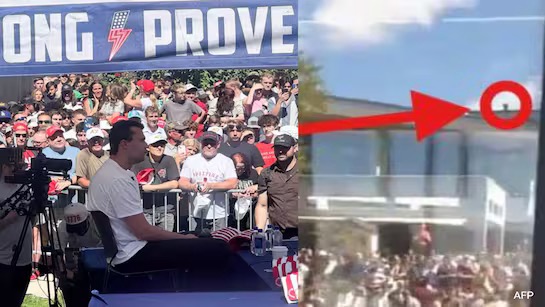
On September 10, 2025, conservative activist Charlie Kirk, 31, was assassinated during a campus event at Utah Valley University in Orem, Utah. Charlie was a devoted family man, husband, and father to a 3 year old girl and a 1 year old boy.
A suspect, 22-year-old Tyler Robinson, is now in custody, according to multiple reports and official briefings.
In the hours after the shooting, videos posted on X appeared to show a person on a rooftop moments before the shot, echoing the tragic cadence we’ve seen in other high-profile incidents: bystanders notice something, film it, and only later does it reach the right people. The FBI quickly released surveillance images and appealed for public tips, including a dedicated portal for photos and video.
What keeps going wrong on campus when seconds matter
Growing up, we all heard the mantra: “If you see something, say something.” But on college campuses, social dynamics and uncertainty often get in the way:
- “Maybe campus security already knows.”
- “I don’t want to overreact or get someone in trouble.”
- “I’m not sure where to report this, or if anyone will even see it.”
Meanwhile, phones do come out. Students record suspicious behavior or chaotic scenes in real time, but the content usually lands on social platforms or in private group chats, not in the hands of people who can act.
A simple fix: make reporting as natural as posting
That’s why we built 3rd-i’s Activity page, an anonymous, “Twitter-for-Safety” style feed designed for fast, lightweight reporting:
- Anonymous posts with optional photos/video
- Tag location + subject (e.g., “suspicious behavior” “violent crime,” “Police Activity”)
- City/Town feeds today; campus-specific feeds next
- Built for real-time awareness so peers, and where adopted, campus and public safety teams, can monitor and respond
The goal isn’t to replace 911 or campus police. It’s to bridge the gap between “I noticed something” and “the right people know right now,” so communities stay informed before a situation escalates.
Why legacy campus safety apps often miss the moment
Most universities license a “campus safety app.” In practice, many students graduate having never heard of it, downloaded it, or used it. Our campus safety app guide and university safety app buyer’s guide go through why adoption, not feature count, is what separates the two. That’s not a tech problem, it is a behavior problem. If reporting doesn’t feel as intuitive as posting on social, it won’t happen at scale.
3rd-i focuses on adoption first: make the action as familiar as tapping “post,” then layer in features students actually keep on their home screens: live video, audio and location sharing with trusted contacts (“Safety in Real Time”), plus anonymous community safety posts that feel native to how students already communicate.
Where we’re starting
We’re rolling out with student communities at: University of Miami, Florida State University, University of Florida, Penn State University, and The Ohio State University. Our north star isn’t selling more software, it is changing behavior so students feel empowered to speak up in the moment.
A personal note
My dad taught me three rules: be principled, be honest, be fair. Paying for tools no one uses isn’t fair to students or families who trust campuses to keep them safe. We’re building 3rd-i to make safety social, so speaking up is simple, stigma-free, and fast.
If you’re a student, parent, or campus leader and want to help your community use the Activity page, or explore a campus feed, reach out. Let’s make “See Something, Say Something” work again where it matters most.
We are praying for Charlie Kirk’s loved ones during this difficult time, and we’re more determined than ever to build features that turn bystander moments into life-saving alerts.
Photo Source: NDTV