
Chase Autos Cars: What the Brand Really Means
You’ve probably landed here after typing “Chase Autos Cars” into a search box and finding results that don’t seem to belong together. One page may look like a Bethesda dealership, another may discuss Chase vehicle financing, and a third may have little to do with buying a car at all. The phrase combines familiar words, but it doesn’t identify one single business or service.
That confusion matters. Choosing a dealership, applying for a loan, checking a vehicle’s history, and planning for safer travel are different tasks. The guide below separates the two main meanings, explains what each one does, and gives you practical checks to complete before you visit a lot or sign financing documents.
Table of Contents
- Why “Chase Autos Cars” Gets Confusing
- Two Main Meanings at a Glance
- The Chevy Chase Cars Dealership Story
- How Chase Auto Finance Actually Works
- Buying and Financing Decisions to Make
- Vehicle Safety Features That Protect You Daily
- Why a Safe Car Is Not the Same as a Safe Trip
- Your Next Steps for Clarity and Safety
Why “Chase Autos Cars” Gets Confusing
Search engines often treat a phrase such as “Chase Autos Cars” as a group of related terms rather than a precise business name. “Chase” can point toward the Chevy Chase area in Maryland or JPMorgan Chase. “Autos” and “cars” can lead toward dealerships, inventory pages, vehicle loans, ownership questions, or unrelated automotive content.
That’s why one search can produce dealership listings, lender pages, generic chase-scene videos, and information about Chevy Chase Cars inventory. Without a city, a brand, or a product cue, the search engine has no reliable way to determine whether you want to shop for a vehicle or borrow money to buy one.
Add one useful clue
A short modifier usually clears up the problem:
- “Chevy Chase Cars Bethesda inventory” points toward the local dealership.
- “Chase Auto financing” points toward the bank’s vehicle-lending service.
- “Chase Auto prequalification” signals that you’re comparing borrowing options.
- “Used cars Wisconsin Avenue” focuses the search on a physical location.
The distinction resembles asking for “the bank” without saying whether you need a branch, a mortgage, or a checking account. The word is familiar, but your task determines the right result.
Practical rule: Search for the action you need, not only the words you remember.
This guide treats the phrase as two separate paths. One leads to a Bethesda-based dealership associated with Chevy Chase Cars. The other leads to Chase Auto, a national dealer-network financing program. Once you know which path matches your situation, the next safety concern becomes clearer too. A lot requires identity and vehicle checks. A lender requires careful review of the financing terms and the dealer relationship.
Two Main Meanings at a Glance
You can separate the two results by asking what you expect to receive. A dealership interaction centers on a vehicle, a test drive, a trade-in, and purchase paperwork. A Chase Auto interaction centers on financing, approval routing, and a loan or lease arranged through a participating dealer.
The local business has a specific history. Chevy Chase Cars was founded in 1939 in Bethesda, Maryland, by Arthur H. Bowis, and it remained at the same Wisconsin Avenue location for more than 75 years, according to Bethesda Magazine’s account of the dealership’s anniversary. Chase Auto, by contrast, is a vehicle-lending operation associated with JPMorgan Chase. It works through dealer relationships rather than operating as a neighborhood car lot.
| Attribute | Chevy Chase Cars Dealership | Chase Auto Finance |
|---|---|---|
| Primary role | Sells vehicles | Provides vehicle financing |
| Main customer need | Find, inspect, and purchase a car | Compare or obtain a loan or lease |
| Physical presence | Wisconsin Avenue location in Bethesda | National dealer-network channel |
| Main touchpoints | Inventory, sales staff, test drive, trade-in | Application, approval details, dealer transmission, payment servicing |
| Typical outcome | A vehicle and purchase documents | Financing terms and a loan or lease agreement |
| Safety priority | Verify the business, vehicle, title, and condition | Verify the lender, dealer, rate, term, and total repayment cost |
Choose the research path that matches your goal
If you’re evaluating a Chevrolet, research Chevrolet with VinCheck to organize model-specific questions before focusing on a particular listing. That resource does not replace an independent inspection or title review. It helps keep the search focused on the vehicle instead of the ambiguous phrase that led you there.
The wrong starting point can waste time and create avoidable risk. A shopper may reach a lender page and conclude that no inventory is available. Someone seeking prequalification may browse a dealership when the immediate task is comparing financing. Identify the result you need first, then check the relevant business, vehicle, or financing details before sharing personal information or signing documents.
The Chevy Chase Cars Dealership Story
A shopper searching “Chase Autos Cars” may be looking for a real dealership rather than a finance website. In Bethesda, that search points to the local history of Chevy Chase Cars, a business founded by Arthur H. Bowis in 1939 in Bethesda, Maryland. The dealership remained at its Wisconsin Avenue location for more than 75 years, with 16 renovations recorded during that period, according to Bethesda Magazine’s historical account.
That history gives the address useful context. A dealership that serves one community for decades has had time to build local relationships, update its facilities, and adjust to changing vehicle markets. The history does not certify every vehicle on the lot. Treat it like a map of the business’s background, not a mechanical inspection of the car you may buy.
What local continuity can mean
A long-running dealer may have established ways to source trade-ins, arrange repairs, and prepare used vehicles for sale. Its local reputation may also matter because buyers in nearby communities can compare reviews and recommendations. Those signals help you assess the business, while the vehicle still requires separate checking.
For shoppers in Bethesda, Silver Spring, or Northwest Washington, a physical location creates practical safety checks. You can confirm that the lot exists, examine the vehicle in daylight, request records, and see how staff answer basic questions. A polished listing photo cannot show uneven tire wear, warning lights, damaged glass, or missing paperwork.
A careful visit should include these steps:
- Match the identity: Check that the business name on the paperwork matches the dealership you intended to visit.
- Inspect before negotiating: Review the body panels, tires, glass, lights, warning indicators, and interior controls before discussing terms.
- Ask for records: Request maintenance documents, title information, and any available vehicle-history report.
- Separate reputation from condition: A longstanding location can support confidence in the business, but the specific vehicle needs its own inspection and records review.
The local meaning of “Chase Autos Cars” connects a name to a place and a purchase decision. Your safety question is therefore specific: does this dealer, this vehicle, this price, and this set of documents deserve your trust? That answer comes from evidence you can verify, not from the search phrase alone.
How Chase Auto Finance Actually Works
Chase Auto is a financing channel, not a car lot. Its retail auto-finance model is built around dealer-network origination. In practical terms, you typically choose a vehicle from a participating dealer, submit or complete the financing process, and have approved details transmitted to both you and the dealer.
That closed connection can reduce repeated paperwork and shorten the path from application to delivery. The vehicle’s make, model, trim, dealer, and contract details remain connected to the transaction, so a change in the vehicle or dealer may require updated financing information. Chase also identifies special financing relationships involving brands such as Aston Martin, Jaguar, Land Rover, Maserati, and Subaru on its Chase Auto finance platform.
Why dealer integration matters
A bank-led workflow can be convenient when you already know which vehicle you want and the dealer participates in the network. It can also make approval routing more direct than applying separately after negotiating a car. But approval doesn’t mean the vehicle is a good value, and a lender’s terms don’t replace an inspection or a review of the sales contract.
Chase states that it serves the automotive industry through relationships with nearly 75% of U.S. franchised dealerships and operates one of the industry’s largest floorplan lending businesses among financial institutions, as described in Chase’s overview of its captive finance partners. Fortune has reported an auto-loan book of about $85 billion in a recent earnings report and described the division as the largest traditional bank auto lender, using figures and characterization reported in that same context.
| Dimension | Chase Auto Finance | Local Dealership |
|---|---|---|
| Starting point | Financing need or vehicle at a participating dealer | Inventory and vehicle selection |
| Approval relationship | Bank and dealer exchange financing details | Dealer may submit applications to lenders |
| Main decision | Rate, term, payment, and total cost | Vehicle condition, price, trade-in, and purchase terms |
| Customer workflow | Apply, receive terms, complete purchase | Browse, test-drive, negotiate, complete finance office steps |
| Main risk to check | Total repayment cost and contract terms | Vehicle condition, title, add-ons, and price |
A lender helps fund the purchase. The dealership supplies the vehicle and manages the sale. Those roles can overlap during one transaction, but they’re not interchangeable.
Buying and Financing Decisions to Make
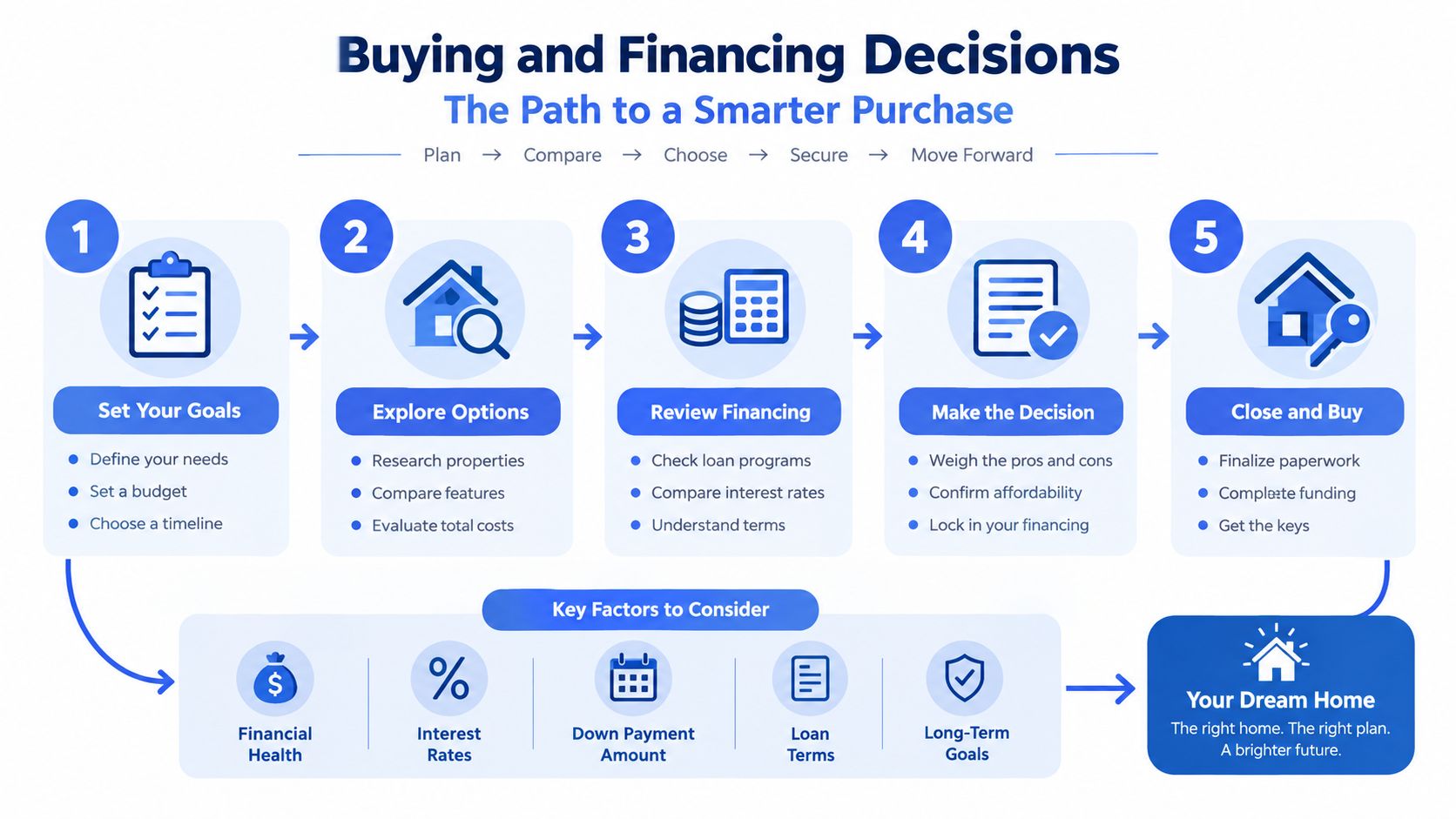
Start with identity, then evaluate the vehicle, then evaluate the money. This order keeps a convincing listing or an attractive monthly payment from taking over the decision.
Verify the local seller
For a dealership visit, confirm the business name through Maryland’s MVIN registry and compare the listed address with the physical location shown in Google Street View. Read recent Google and DealerRater reviews for repeated patterns, not one unusually positive or negative comment. Ask whether the title, inspection documents, and vehicle-history materials are available before you leave a deposit.
For a deeper document-focused review, use this guide to liens and title status checks. A clean-looking vehicle can still carry paperwork problems, so title status belongs near the beginning of your process, not after you’ve agreed on a price.
Understand prequalification
Prequalification can give you a conditional rate and term range without the same kind of hard inquiry associated with a full credit application, depending on the lender’s process. Treat it as a planning boundary, not a promise that every vehicle or final contract will receive those exact terms.
Carry that information into negotiations, and ask four direct questions:
- What is the out-the-door price? Request the total, including taxes, registration, fees, and any required charges.
- Which add-ons are included? Ask whether protection products, service plans, or accessories are optional.
- When will the trade-in payoff occur? Clarify who sends the payoff and how any remaining balance is handled.
- What does GAP coverage include? Ask about exclusions, limits, cancellation terms, and whether it covers the full gap you’re concerned about.
Your decision tree is simple. If you want to browse vehicles, start with the dealership path. If you want to compare borrowing options, start with Chase Auto or other lenders, then take the financing terms to a participating dealer.
Vehicle Safety Features That Protect You Daily
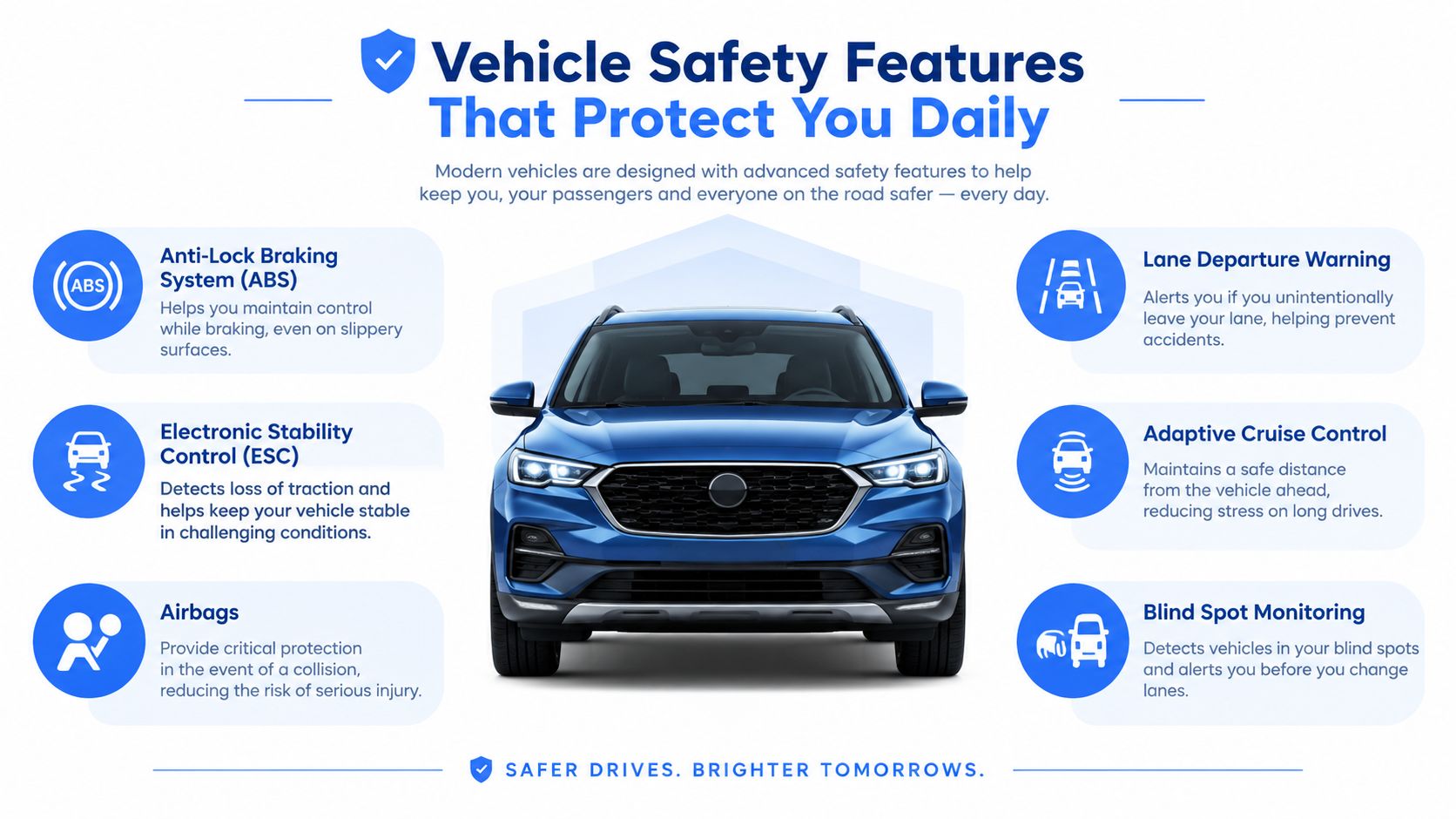
A safe vehicle does more than help during a collision. It can also support better awareness and documentation during ordinary trips, especially when you’re driving alone, carrying passengers, or traveling after dark. The most useful features are the ones that match a specific moment rather than the ones that sound impressive on a specification sheet.
Consider a driver stranded on the Beltway after a mechanical problem. A dual-camera stream, with a forward-facing road view and an inward cabin view, can give selected contacts a live picture of the situation. If a fender-bender occurs, recorded video may also preserve details that are difficult to reconstruct later.
Match tools to real routines
A commuter leaving Bethesda Metro alone may not want to use a phone and type a message while walking to the car. A one-tap nudge can let a designated contact ask whether the person is safe, while a one-tap response reduces the pressure to compose a text in motion.
Human monitoring adds another layer. If an automated alert goes unanswered, a trained Safety Agent can assess the available context and escalate to emergency services when appropriate. That distinction matters because automated detection can identify a problem, but a human can help interpret what happens next.
A teenager borrowing the family car creates a different use case. Parents may care about route visibility, timely check-ins, and knowing whether an unexpected stop needs attention. Anyone comparing personal-safety tools should review the privacy controls, recording behavior, watcher permissions, and emergency escalation process. For a broader look at mobile protection during travel, review the personal safety app features.
The driving environment still matters. Glare, poor visibility, and nighttime reflections can make a small mirror adjustment important, so these nighttime safety mirror tips belong alongside electronic features, not beneath them.
Why a Safe Car Is Not the Same as a Safe Trip
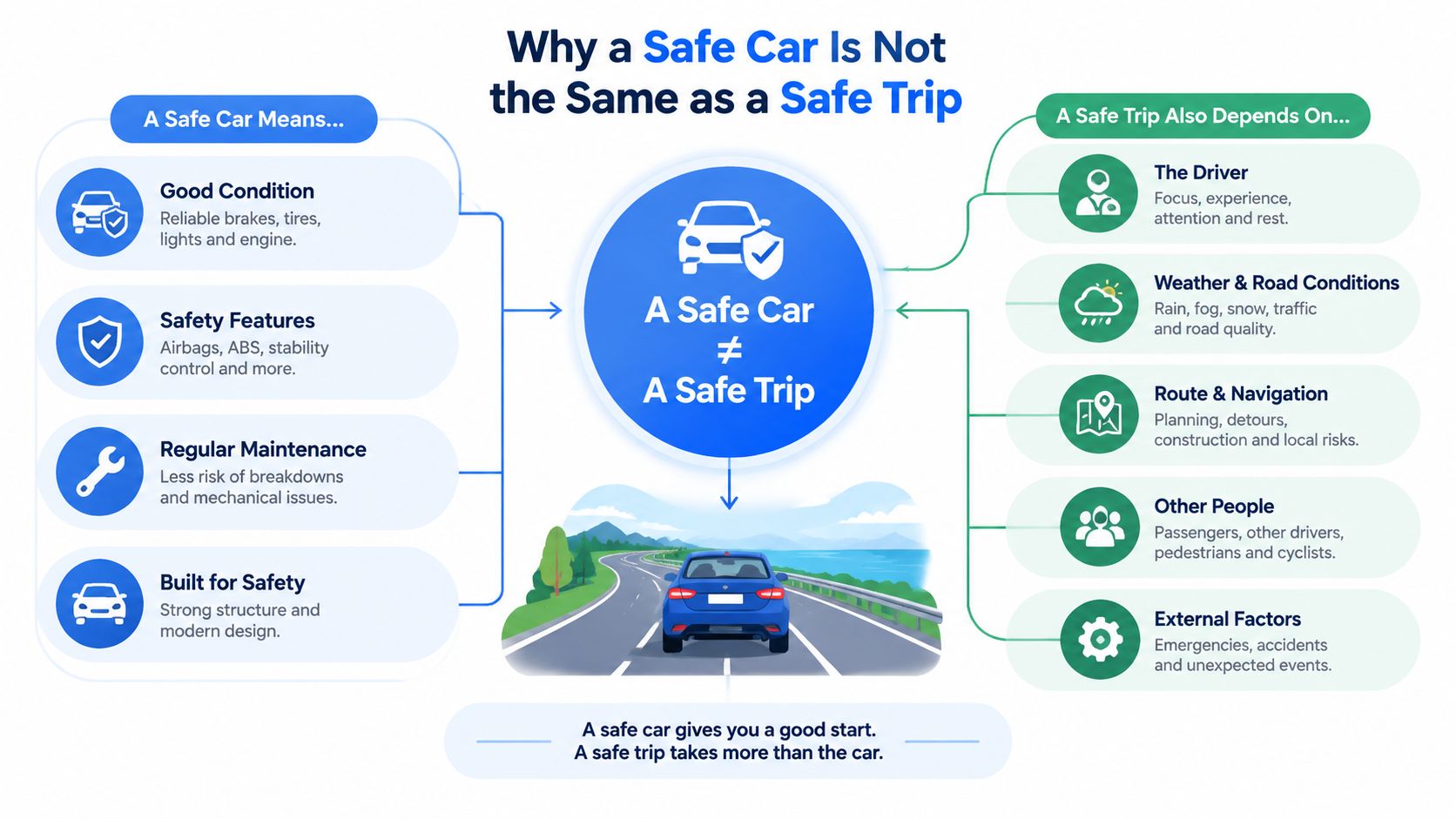
Airbags, traction systems, braking assistance, and collision avoidance features protect you from particular driving hazards. They don’t watch the walk from a station to a parking garage, verify a rideshare route, or help a stranded driver communicate before a collision occurs.
A vehicle purchased from a longstanding local dealership or financed through Chase Auto still addresses only part of the journey. A passenger traveling alone at night may face uncertainty before the car moves. A breakdown on a dark stretch of Wisconsin Avenue creates a personal-safety problem that crash engineering cannot solve. A poorly lit garage presents risk while you’re approaching the vehicle, not while you’re inside it.
Build layers around the journey
Layered safety means combining vehicle systems with habits and communication:
- Before departure: Share the route when the trip carries unusual risk.
- During travel: Use check-ins or live visibility instead of assuming silence means everything is fine.
- After an interruption: Keep a way to explain the location, direction, and circumstances quickly.
A personal-safety system can fill the space between leaving home and reaching the destination. For rideshare-specific planning, use these rideshare safety tips as a reminder that the passenger’s experience includes pickup, route, drop-off, and the walk afterward.
The better question isn’t “Is this car safe?” It’s “Which parts of my routine does this car protect, and which parts need another layer?”
Your Next Steps for Clarity and Safety
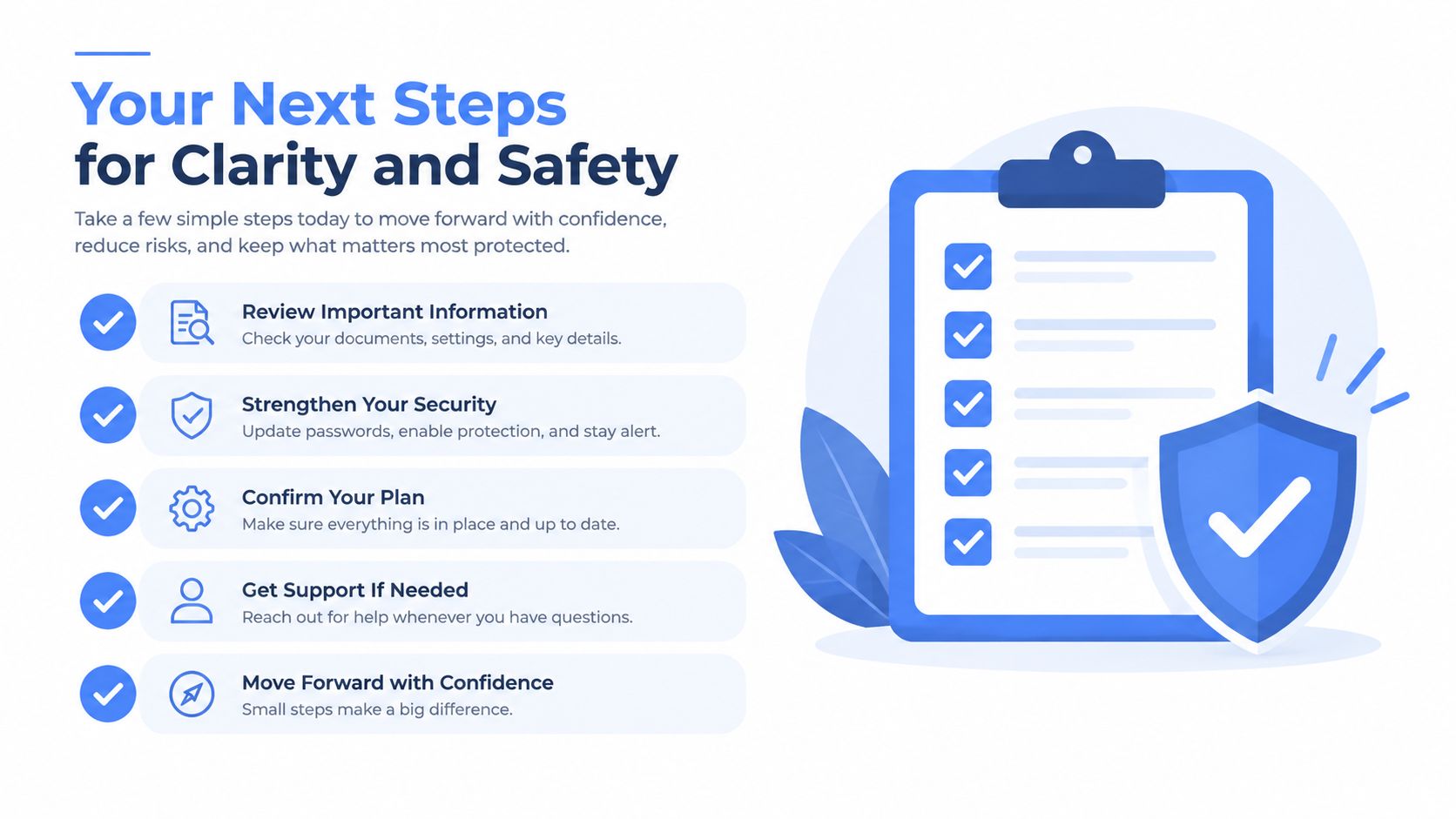
Turn the confusing search into a short personal plan. First, decide whether you need a Bethesda dealership visit or financing prequalification. If you’re trying to see cars, inspect inventory and verify the seller. If you’re trying to understand borrowing capacity, compare lender terms before allowing the financing conversation to control the vehicle choice.
Second, verify the dealership through BBB records, state licensing information, and an on-site inspection of the Wisconsin Avenue location if that’s the business you intend to visit. Confirm the vehicle identification number on the car, title, history documents, and purchase paperwork. Don’t make a deposit until you understand the refund terms and the documents you’ll receive.
Compare the full cost
Third, get financing information from Chase Auto only after comparing the APR, term length, fees, and total repayment cost with credit-union alternatives. A lower monthly payment can result from a longer term, so compare the complete obligation rather than focusing on one number.
Fourth, add personal-safety habits to whichever vehicle you choose:
- Share selectively: Give trusted contacts the route or arrival expectation.
- Use timely check-ins: Set a simple response routine for late drives and rideshares.
- Prepare emergency access: Know how to activate assistance without searching through the phone.
- Review privacy settings: Confirm who can view location, video, audio, and recordings.
Fifth, reassess the plan quarterly. Your commute hours, parking locations, passengers, and app features can change, so a safety routine that worked previously may need adjustment. An emergency app for personal safety can be part of that review, alongside vehicle maintenance and insurance checks.
Clarity in search prevents you from choosing the wrong starting point. Clarity in financing prevents an attractive payment from hiding the total cost. Clarity in daily safety habits helps protect the parts of a trip that airbags and lane assistance can’t reach.
3rd-i offers live video, audio, and location sharing with selected contacts and trained Safety Agents, including tools for rideshares, late commutes, and lone travel. Visit 3rd-i to explore how real-time monitoring and emergency escalation can add a practical safety layer to your next drive.